
Local Movers Guide.
Your Complete Resource for a Successful Move.
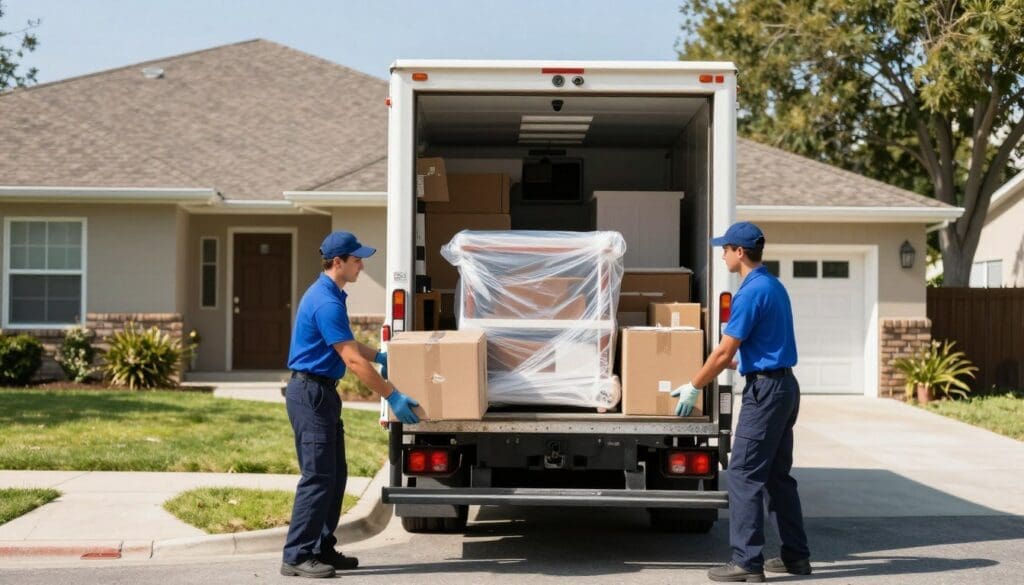
Moving to a new home brings excitement and fresh opportunities. But the process itself can feel overwhelming without proper guidance. This comprehensive Local Movers Guide walks you through every step of planning and executing a successful local move.
Whether you’re relocating across town or to a neighboring community, understanding the moving process helps reduce stress. You’ll learn how to choose reliable movers, manage your budget, and protect your belongings throughout the journey.
Local moves differ significantly from long-distance relocations. The strategies, costs, and timeline require different approaches. This guide provides practical tips from industry experts who have helped thousands of families transition smoothly to their new homes.
Understanding What Qualifies as a Local Move
A local move typically covers relocations within 50 to 100 miles of your current residence. These moves usually happen within the same state or metropolitan area. Distance determines pricing structure and how moving companies calculate their rates.
Local movers charge differently than long-distance companies. Most local moving companies use hourly rates based on crew size and truck requirements. This pricing model differs from interstate moves, which rely on weight and mileage calculations.
Time frame matters significantly for local moves. Most can be completed within a single day. This efficiency reduces overall cost compared to moves requiring overnight storage or multiple-day transportation.
Understanding these distinctions helps you communicate clearly with movers. You can set realistic expectations for your move timeline and budget. Local moves offer flexibility that long-distance relocations cannot match.
Local Move Characteristics
- Distance under 100 miles
- Same-day completion possible
- Hourly rate pricing structure
- Less regulatory oversight required
- Flexible scheduling options
- Lower overall cost typically
Long-Distance Move Characteristics
- Distance over 100 miles
- Multi-day transportation
- Weight and mileage pricing
- Federal regulation compliance
- Advanced booking necessary
- Higher overall investment
Why Hiring Local Movers Makes Sense
Professional movers bring expertise that saves time and prevents damage to your belongings. They handle heavy furniture safely and navigate tight spaces efficiently. Their experience reduces your physical strain and injury risk during the moving process.
Local moving companies know the area thoroughly. They understand traffic patterns, building regulations, and parking restrictions in your neighborhood. This knowledge prevents delays and complications on moving day.
Insurance coverage provides peace of mind during your move. Professional movers carry liability protection for your items. This coverage protects you financially if accidents happen despite careful handling.
Equipment access gives movers a significant advantage. They arrive with dollies, ramps, straps, and protective materials. These tools prevent damage to walls, floors, and your possessions throughout the move.
Time efficiency represents another major benefit. What might take you an entire weekend takes professionals just a few hours. You can focus on other aspects of your transition while experts handle the physical labor.
Castle Moving - Your Local Moving Experts
With years of experience serving our local community, Castle Moving provides licensed and insured moving services. Our team understands the unique challenges of local moves and delivers stress-free experiences.
- Fully licensed and insured local movers
- Transparent pricing with no hidden fees
- Experienced professional moving crews
- Complete packing and unpacking services
How to Choose the Right Local Moving Company
Research forms the foundation of selecting reliable movers. Start by gathering recommendations from friends, family, and neighbors who recently moved. Online reviews provide additional insights into company reputation and service quality.
Licensing verification protects you from fraudulent operators. Check that moving companies hold proper state licenses and registrations. The Better Business Bureau maintains records of complaints and resolutions for registered businesses.

Essential Credentials to Verify
Insurance coverage requires careful examination. Ask movers about their liability protection and workers’ compensation policies. Request proof of insurance certificates before signing any contracts.
Experience in your specific type of move matters significantly. Some companies specialize in apartments, while others excel at single-family homes. Match the mover’s expertise to your particular moving situation.
- Valid license and insurance documentation
- Physical business address and office
- Detailed written estimates provided
- Positive Better Business Bureau rating
- Professional communication and responsiveness
- Clear explanation of services and pricing
Green Flags When Hiring Movers
- Unusually low quotes compared to competitors
- Requests for large upfront deposits
- No physical address or office location
- Unwilling to provide references
- No written contract or estimate
- Poor online reviews or BBB complaints
Red Flags to Avoid
Getting Accurate Moving Quotes
In-home estimates provide the most accurate pricing. Reputable movers visit your residence to assess furniture volume and special requirements. They identify potential challenges like narrow staircases or limited parking.
Multiple quotes help you compare services and pricing fairly. Request estimates from at least three different local moving companies. Ensure each quote includes the same services for accurate comparison.
Hidden fees represent a common concern with movers. Ask specifically about charges for stairs, long carries, packing materials, and weekend moves. Get everything in writing before committing to any company.
Ready to Work with Licensed, Insured Professionals?
Castle Moving provides transparent quotes with no hidden fees. Our licensed movers deliver reliable service backed by comprehensive insurance coverage. Get your free estimate today.
Understanding Local Moving Costs and Budgeting
Average local move costs range from three hundred to fifteen hundred dollars. Final pricing depends on home size, item quantity, and service level. Understanding these factors helps you plan an accurate budget.
Hourly rates typically range from seventy-five to two hundred dollars. This rate covers the moving crew and truck rental. Most local moves require two to eight hours depending on home size and distance.

Factors That Influence Moving Costs
Home size directly impacts your moving bill. A studio apartment requires fewer movers and less time than a four-bedroom house. Inventory volume determines truck size and crew requirements.
Timing affects pricing significantly. Summer months and month-end dates command premium rates due to high demand. Mid-week and mid-month moves often cost less than weekend relocations.
| Home Size | Average Time | Crew Size | Estimated Cost Range |
| Studio/1 Bedroom | 2-4 hours | 2 movers | $300-$600 |
| 2 Bedroom Apartment | 3-5 hours | 2-3 movers | $450-$800 |
| 3 Bedroom Home | 4-6 hours | 3-4 movers | $700-$1,200 |
| 4+ Bedroom Home | 6-8 hours | 4-5 movers | $1,000-$2,000 |
Additional Services and Their Costs
Packing services add convenience but increase your total cost. Professional packers charge between twenty-five to fifty dollars per hour. Full-service packing can add several hundred dollars to your bill.
Specialty items require extra care and handling. Pianos, antiques, and artwork need special equipment and expertise. These items typically incur additional fees ranging from fifty to three hundred dollars each.
Storage options provide flexibility if your move dates don’t align perfectly. Local movers often partner with storage facilities. Short-term storage typically costs between fifty to two hundred dollars monthly.
Money-Saving Tips for Your Local Move
Decluttering before your move reduces costs significantly. Fewer items mean less time and smaller truck requirements. Sell, donate, or discard items you no longer need.
Self-packing saves money if you have time available. Purchase quality boxes and packing materials from moving supply stores. Label everything clearly to speed up the unloading process.
Flexible scheduling allows you to take advantage of lower rates. Mid-week and mid-month dates typically cost less. Ask movers about their slowest periods for potential discounts.
Get Transparent Pricing - Free Moving Estimate
No hidden fees or surprise charges. Castle Moving provides detailed, written estimates that break down all costs clearly. Request your free quote and budget confidently for your move.
Packing Tips and Strategies for Local Moves
Organization makes packing more efficient and unpacking easier. Start the packing process at least four weeks before your move date. This timeline prevents last-minute stress and ensures thorough preparation.
Room-by-room packing keeps items organized and simplifies unpacking. Begin with rooms you use least frequently. Save everyday essentials for last to maintain normal routines until moving day.
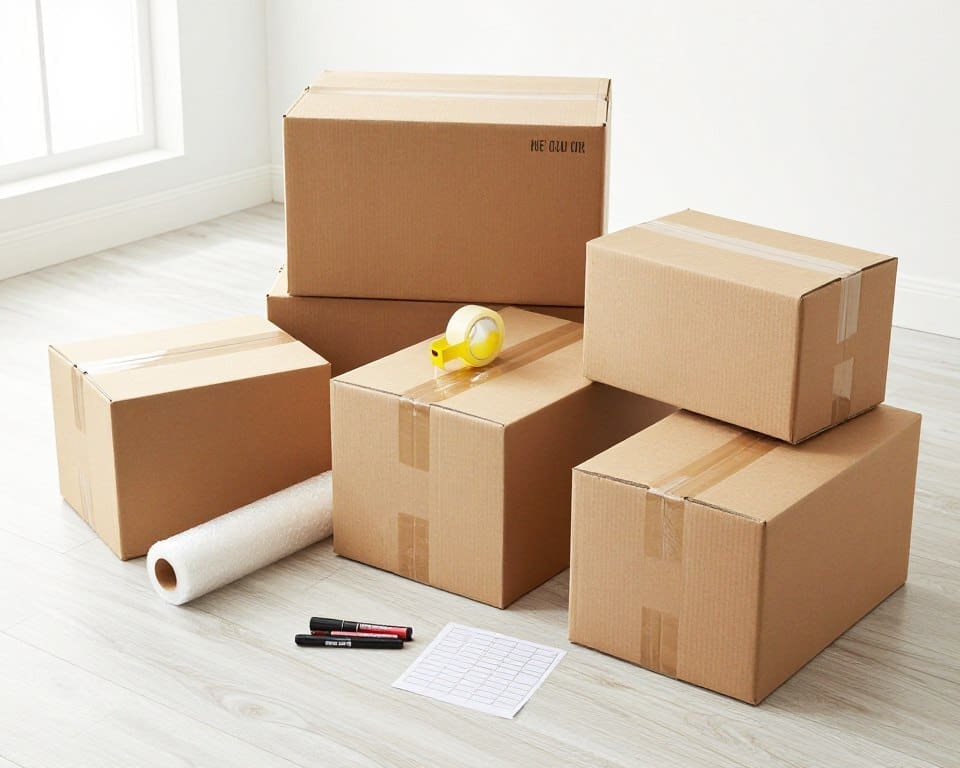
Essential Packing Supplies
Quality boxes protect your belongings during transport. Use sturdy boxes designed for moving rather than grocery store castoffs. Small boxes work best for heavy items like books, while large boxes suit lighter items.
Protective materials prevent damage during the move. Bubble wrap, packing paper, and foam padding cushion fragile items. Moving blankets protect furniture from scratches and dents.
- Various sized cardboard boxes (small, medium, large)
- Packing tape and tape dispenser
- Bubble wrap and packing paper
- Moving blankets for furniture protection
- Permanent markers for labeling
- Stretch wrap for securing drawers
- Box labels or color coding system
Room-by-Room Packing Guide
Kitchen items require special attention due to fragility. Wrap dishes individually and pack them vertically in boxes. Use dish pack boxes with dividers for glasses and stemware.
Bedroom packing focuses on clothing and personal items. Leave clothes on hangers and use wardrobe boxes. Pack shoes in their original boxes or wrap them to maintain shape.
Living room furniture needs protection from scratches. Wrap tables, chairs, and entertainment centers with moving blankets. Secure blankets with tape or stretch wrap.
Bathroom items should be packed carefully to prevent spills. Place liquids in sealed plastic bags before packing. Keep cleaning supplies separate from personal care products.
Labeling System for Easy Unpacking
Clear labels save time during the unpacking process. Write the destination room and general contents on each box. Number boxes and maintain an inventory list for reference.
Color coding adds visual organization to your move. Assign each room a specific color of tape or labels. Movers can quickly identify where boxes belong in your new home.
Priority marking identifies essential boxes needed immediately. Label boxes containing first-day necessities clearly. These boxes should be loaded last and unloaded first.
Professional Packing Services Available
Save time and ensure proper protection with Castle Moving’s professional packing services. Our experienced team uses quality materials and proven techniques to safeguard your belongings.
- Complete packing and unpacking services
- Quality packing materials included
- Specialty item protection expertise
- Efficient, careful handling
Preparing for Moving Day Success
The final week before your move requires focused preparation. Confirm details with your moving company three to five days in advance. Verify arrival time, crew size, and any special instructions.
Utility management prevents service interruptions. Schedule disconnection at your old address and connection at your new home. Coordinate timing to ensure services activate before you arrive.
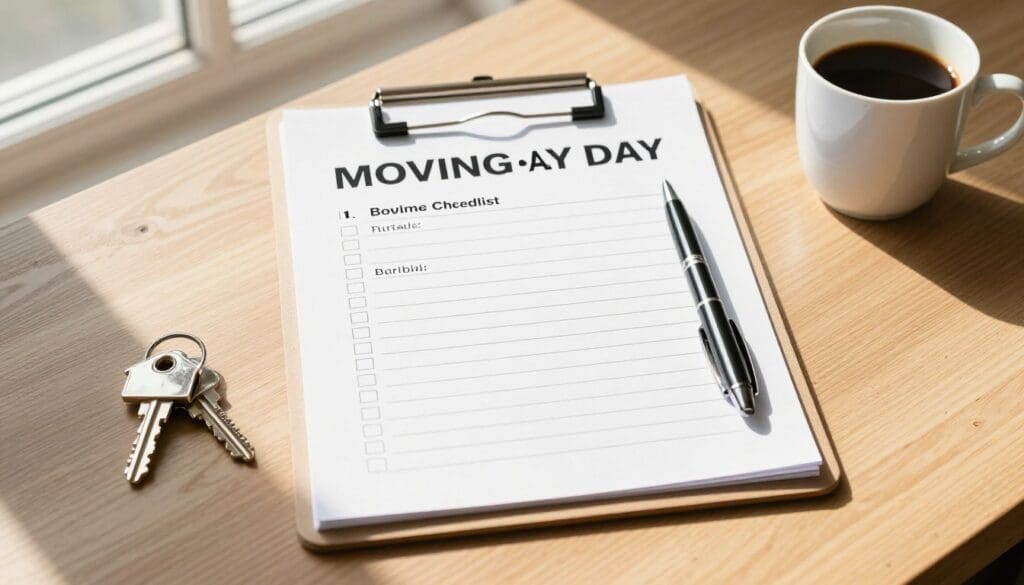
Creating Your Moving Day Checklist
An essentials box contains items you’ll need immediately. Pack toiletries, medications, phone chargers, and a change of clothes. Include important documents, keys, and wallet in this box.
Children and pets need special arrangements on moving day. Consider having them stay with friends or family during the move. This keeps them safe and allows movers to work efficiently.
- Confirm moving company arrival time and details
- Prepare payment method (check service contract for accepted forms)
- Clear pathways in both old and new homes
- Protect floors with cardboard or moving pads
- Reserve elevator if living in apartment building
- Arrange parking for moving truck
- Secure pets in safe area away from activity
- Pack essentials box with immediate necessities
- Take meter readings at old residence
- Final walkthrough before leaving
Communication with Your Moving Team
Clear instructions help movers work efficiently. Point out fragile items and special handling requirements. Explain your new home layout so they know where items belong.
Availability matters throughout the moving process. Stay accessible by phone in case questions arise. Provide contact information for both properties if you need to travel between locations.
Final walkthrough ensures nothing gets left behind. Check all rooms, closets, cabinets, and outdoor areas. Verify all items are loaded before the truck departs.
Protecting Your Property During the Move
Floor protection prevents damage during heavy furniture transport. Lay down cardboard, plastic sheeting, or moving pads along pathways. This protection benefits both your old and new homes.
Door frame and corner protection prevents dings and scratches. Use corner guards and door jamb covers during loading and unloading. These simple tools prevent costly repairs.
Weather preparation protects your belongings from elements. Check forecasts and prepare tarps or plastic sheeting for rain. Have towels ready to dry boxes if they get wet.
Schedule Your Move with Confidence
Castle Moving’s experienced crews handle every detail of your moving day professionally. We arrive on time, protect your property, and ensure a smooth transition to your new home.
Moving Day: What to Expect
Professional movers typically arrive within the scheduled time window. The crew leader will introduce the team and conduct a walkthrough. This inspection identifies furniture placement and any special requirements.
Documentation happens before loading begins. Review and sign the bill of lading or inventory sheet. This document protects both you and the moving company by recording item condition.
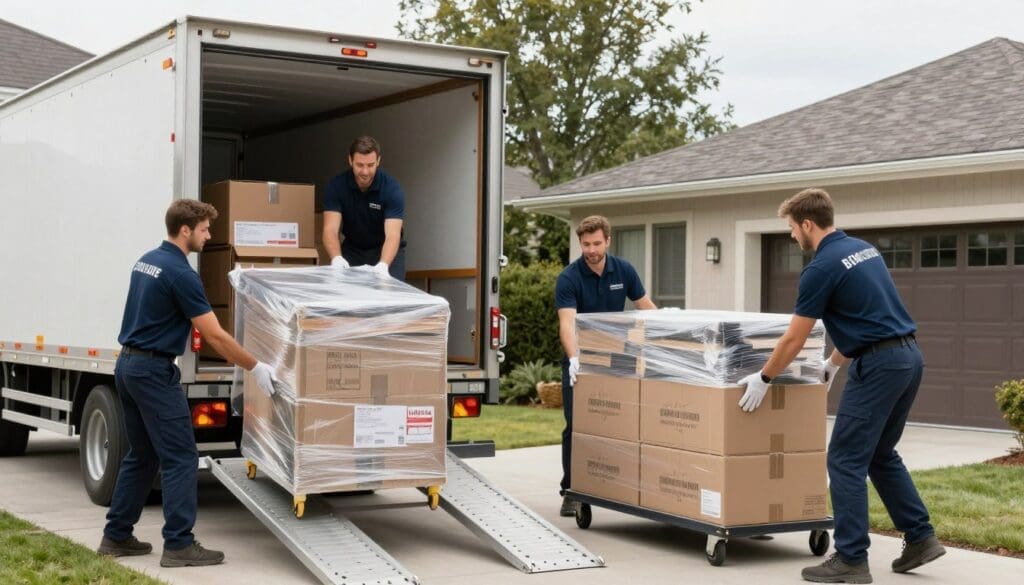
The Loading Process
Strategic loading maximizes truck space and protects items. Movers load heavy furniture first, securing it against truck walls. Boxes fill gaps and lighter items go on top of stable bases.
Furniture disassembly saves space and prevents damage. Bed frames, tables, and large items break down for easier transport. Professional movers reassemble everything at your new location.
Regular updates keep you informed throughout the process. The crew leader communicates progress and asks questions as needed. This transparency ensures your expectations are met.
During Transit and Unloading
Travel time varies based on distance and traffic conditions. Local moves typically complete within the same day. Your moving company should provide estimated arrival time at the new location.
Directing placement saves effort during unpacking. Tell movers where each item belongs as they unload. This service is included in your moving cost and prevents unnecessary rearranging.
Inspection should happen as items enter your home. Check furniture and boxes for damage immediately. Note any issues on the inventory sheet before movers leave.
Final Steps with Your Moving Team
Payment processing occurs after the move completes. Review the final invoice for accuracy against your estimate. Most movers accept cash, check, or credit card payment.
Gratuity shows appreciation for good service. Tipping is customary but not required. Consider fifteen to twenty percent of the total cost, or twenty to forty dollars per mover.
Documentation completion protects everyone involved. Keep copies of all paperwork including the bill of lading, inventory, and receipt. These records are important for insurance claims if needed.
Settling Into Your New Home
Unpacking systematically reduces overwhelm in your new space. Start with essential rooms like bedrooms and bathrooms. Set up beds first so everyone has a place to sleep after a long moving day.
Kitchen setup enables normal meal preparation quickly. Unpack dishes, cookware, and pantry items within the first day or two. This allows you to avoid relying entirely on takeout during the transition.

Priority Unpacking Strategy
Essential services require immediate attention. Test all utilities including water, electricity, and heating or cooling. Report any issues to landlords or utility companies right away.
Safety checks protect your family in the new environment. Test smoke detectors and carbon monoxide alarms. Locate circuit breakers, water shut-offs, and emergency exits.
- Set up beds and bedroom furniture
- Organize bathroom essentials and toiletries
- Unpack kitchen items for meal preparation
- Connect electronics and entertainment systems
- Hang curtains or blinds for privacy
- Assemble necessary furniture pieces
- Organize closets and storage areas
Address Change and Administrative Tasks
Address updates prevent missed mail and service interruptions. File a change of address with the postal service. Update your address with banks, insurance companies, and subscription services.
Government agencies need notification of your move. Update your driver’s license, vehicle registration, and voter registration. These changes typically must occur within thirty to sixty days.
Healthcare providers should know your new location. Transfer medical records if you’re changing doctors. Update pharmacy information and emergency contact details.
Getting to Know Your New Neighborhood
Local resources make your new area feel like home. Locate nearby grocery stores, pharmacies, and gas stations. Find parks, libraries, and community centers in your neighborhood.
Meeting neighbors builds community connections. Introduce yourself to people living nearby. These relationships provide local knowledge and support in your new community.
Schools and childcare require early enrollment if you have children. Contact school districts to register students. Research after-school programs and activities available in the area.
Common Moving Mistakes to Avoid
Poor planning leads to unnecessary stress and complications. Last-minute preparation increases chances of forgetting important items. Start planning your move at least six to eight weeks in advance.
Underestimating time requirements causes moving day chaos. Most people need more time than anticipated for packing and moving. Build buffer time into your schedule for unexpected delays.

Packing Errors That Cause Problems
Overpacking boxes creates safety hazards. Heavy boxes are difficult to lift and more likely to break. Keep box weight under fifty pounds for safe handling.
Inadequate labeling makes unpacking frustrating. Generic labels like “miscellaneous” provide no useful information. Describe contents specifically and note destination room clearly.
Mixing items from different rooms causes confusion. Keep bathroom items together, kitchen items together, and so on. This organization streamlines the unpacking process significantly.
Moving Company Selection Mistakes
Choosing movers based solely on price often backfires. Extremely low quotes may indicate poor service or hidden fees. Balance cost with reputation, experience, and service quality.
Skipping the insurance review leaves you vulnerable. Understand exactly what coverage your movers provide. Consider purchasing additional insurance for valuable or irreplaceable items.
Failing to read contracts carefully creates misunderstandings. Review all terms and conditions before signing anything. Ask questions about anything unclear in the agreement.
Timing and Logistics Mistakes
Moving during peak season increases costs and reduces availability. Summer months and month-end dates represent the busiest times. Book movers early if your move falls during these periods.
Ignoring building requirements causes moving day delays. Check elevator reservations, loading dock access, and parking permits. Secure necessary approvals well before your move date.
Neglecting to measure furniture and doorways leads to problems. Large items may not fit through doorways or hallways. Measure everything before moving day to avoid surprises.
Handling Special Items During Your Move
Valuable and fragile items need extra care during relocation. These possessions require special packing materials and handling techniques. Professional movers have experience protecting delicate belongings throughout the moving process.
Artwork and mirrors are particularly vulnerable to damage. Use picture boxes or create custom packaging with cardboard and bubble wrap. Never lay these items flat in the truck.

Electronics and Appliances
Electronics benefit from original packaging when available. Original boxes provide custom-fit protection for televisions and computers. If unavailable, use well-padded boxes with plenty of cushioning.
Appliances require preparation before transport. Disconnect and drain washing machines and refrigerators at least twenty-four hours before moving. Secure doors and cords to prevent damage during transit.
Documentation of electronic setups saves time during reconnection. Take photos of cable connections before disconnecting anything. Label cords and cables to match them with correct devices.
Pianos and Large Musical Instruments
Pianos demand specialized moving equipment and expertise. These instruments are heavy, delicate, and expensive. Professional piano movers use custom dollies, straps, and padding.
Climate considerations protect instrument integrity. Extreme temperature changes can damage wood and tuning. Transport pianos in climate-controlled environments when possible.
Professional tuning should occur after the move settles. Movement affects piano tuning even with careful handling. Wait two to four weeks after your move before scheduling tuning.
Antiques and Collectibles
Appraisals establish value for insurance purposes. Document condition with photographs before packing. This evidence supports insurance claims if damage occurs during the move.
Custom crating provides maximum protection for valuable antiques. Professional movers can build wood crates sized perfectly for your items. This investment makes sense for irreplaceable or highly valuable pieces.
Climate-controlled transport protects sensitive materials. Wood, fabric, and paper react to humidity and temperature changes. Discuss climate control options with your moving company for valuable collectibles.
Moving with Pets and Plants
Pets experience stress during moves just like people do. Familiar routines get disrupted and their environment changes completely. Planning ahead helps pets transition more comfortably to their new home.
Preparation reduces pet anxiety on moving day. Keep pets in a quiet room away from moving activity. Maintain regular feeding schedules and provide favorite toys for comfort.

Pet Transportation and Safety
Secure carriers ensure safe pet transport. Use appropriate-sized carriers that allow pets to stand and turn around. Never place pets in moving trucks with furniture and boxes.
Identification updates prevent lost pets in unfamiliar areas. Update microchip information and ID tags with your new address. Keep recent photos accessible in case your pet gets lost.
Veterinary records should transfer to new providers. Request copies of vaccination records and medical history. Research veterinarians in your new neighborhood before the move.
Moving Plants Successfully
Plant transport regulations vary by state. Some states prohibit bringing plants across borders due to pest concerns. Research restrictions before attempting to move plants long distances.
Preparation helps plants survive the moving process. Water plants thoroughly two days before moving but allow soil to dry slightly. Prune dead leaves and branches to reduce stress.
Temperature protection prevents plant damage during transport. Avoid exposing plants to extreme heat or cold. Transport plants in your personal vehicle when possible for better climate control.
Repotting into plastic containers reduces weight and breakage risk. Transfer plants from ceramic or clay pots to lightweight plastic ones. This change makes transport easier and safer.
Post-Move Checklist and Organization
Organization in your new home starts with a systematic approach. Tackle one room at a time rather than trying to do everything simultaneously. This method prevents overwhelm and shows visible progress.
Documentation of the moving process serves multiple purposes. Keep receipts for tax deductions if your move is work-related. Save inventory lists and condition reports for insurance purposes.
Essential Tasks Within the First Week
- Test all utilities and report any issues
- Change locks or rekey the property
- Deep clean before unpacking completely
- Set up internet and cable services
- Locate emergency shut-offs and important systems
- Register with local emergency services if required
- Introduce yourself to neighbors
- Dispose of packing materials responsibly
Long-Term Settling Tasks
Home maintenance schedules protect your investment. Create calendars for filter changes, seasonal maintenance, and inspections. Understanding your new home’s systems prevents future problems.
Community involvement helps you feel connected. Join local groups that match your interests. Attend community events to meet neighbors and learn about area resources.
Exploring your new area makes it feel like home. Visit local restaurants, shops, and attractions. Find your favorite spots and establish new routines in your neighborhood.
Local Moving Resources and Support
Community resources ease your transition to a new area. Local welcome services provide information about neighborhoods and amenities. Many communities offer newcomer packets with valuable local information.
Online resources connect you with local services quickly. Search for neighborhood-specific social media groups and forums. These platforms offer recommendations and answer questions about your new area.
Finding Local Service Providers
Essential services require establishment in your new community. Locate dentists, doctors, mechanics, and other professionals you’ll need regularly. Ask neighbors for recommendations on trusted local businesses.
Emergency contacts should be programmed into phones immediately. Save numbers for local police, fire department, and urgent care facilities. Know the location of the nearest hospital emergency room.
Home services like lawn care, snow removal, and cleaning help maintain your property. Research and interview providers before committing to contracts. Check reviews and ask for references.
Government and Municipal Services
Voter registration ensures you can participate in local elections. Register at your new address within the required timeframe. Research local election dates and ballot issues.
Trash and recycling schedules vary by location. Obtain collection calendars from your waste management provider. Learn what materials are recyclable in your new community.
Building permits may be required for home improvements. Understand local regulations before starting renovation projects. Contact your municipal building department with questions.
Making Your Local Move Successful
A successful local move combines careful planning with professional support. This comprehensive guide has walked you through every stage of the moving process. From choosing reliable movers to settling into your new home, each step matters.
Professional movers bring expertise that reduces stress and prevents damage. Their experience navigating local moves saves you time and physical strain. Licensed and insured companies protect your belongings and provide peace of mind.
Organization and preparation set the foundation for smooth transitions. Starting early, creating detailed checklists, and communicating clearly with your moving team prevent common problems. These practices ensure nothing gets overlooked during your move.
Your new home represents fresh opportunities and experiences. Taking time to settle properly helps you build connections in your community. Exploring your neighborhood and establishing new routines makes the new place feel like home.
Ready for a Stress-Free Local Move?
Castle Moving provides comprehensive local moving services backed by years of experience. Our licensed, insured professionals handle every detail with care. From packing to final placement, we ensure your move goes smoothly.
Remember that every move brings unique challenges and opportunities. Flexibility and patience help you navigate unexpected situations. With proper preparation and professional support, your local move can be an exciting, positive experience rather than a stressful ordeal.